Every Child is different and will respond better to different approaches. Personalising a resource often will help with engagement. Some children may prefer to just talk or talk whilst playing. The most important thing is to be lead by the child.
This tool can be used for all children, using blank paper and pens to doodle together or side by side to develop conversations and build relationships.
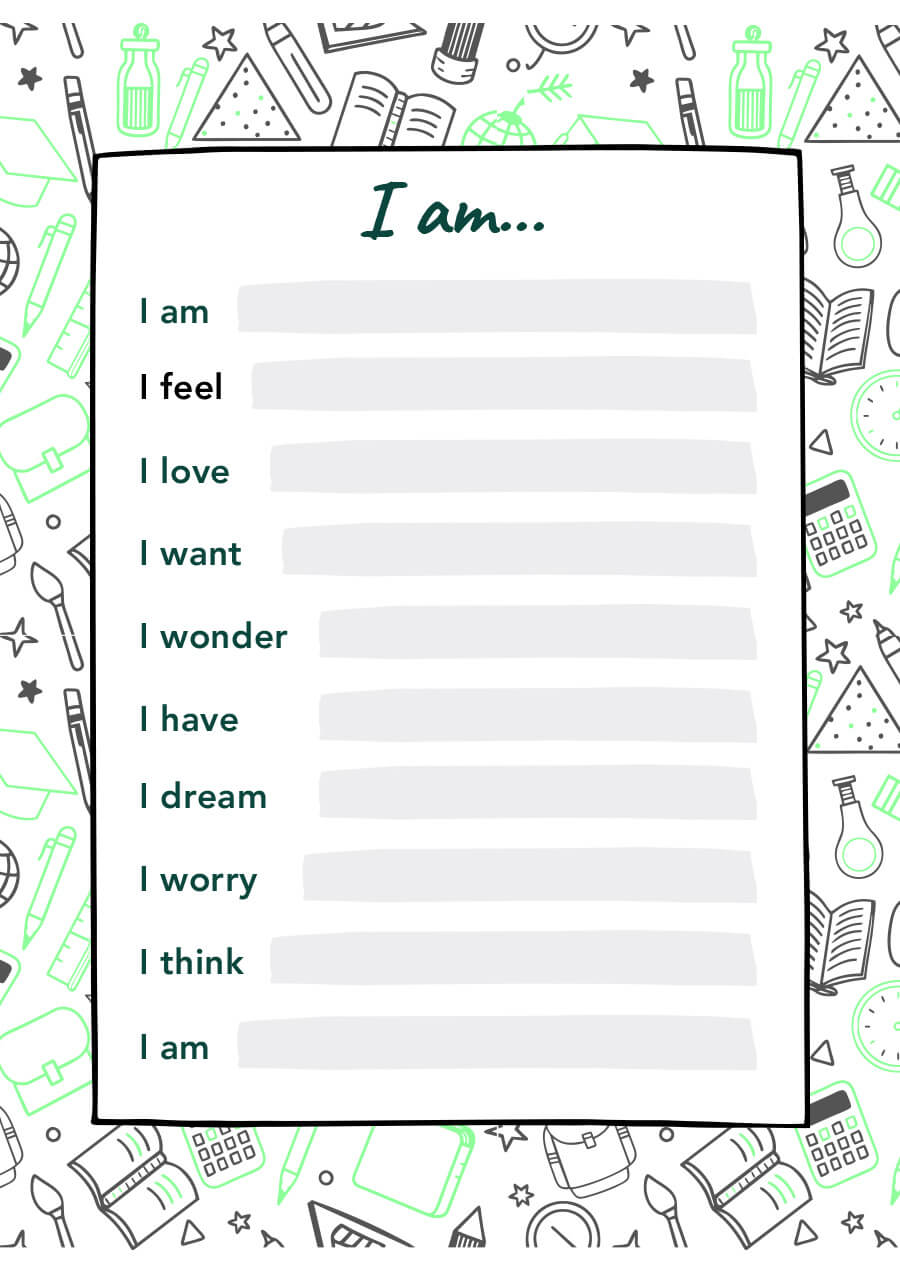
This Worksheet helps to get to know children and young people, it can be helpful to help open up conversation.
Play a game of catch, taking it in turns asking each other questions. This is useful for young people that do not like worksheets. You do not need to have a ball for this, it could be a soft toy that is used for this game.
A lot of young people find it easier to talk while they are doing something.
Beads
Make bracelets with young people.
Art
Using any form or art can be useful, from drawing to using mini canvases. www.Twinkl.co.uk has a number of colouring sheets that can be downloaded.
Young people can find the use of fidget toys while talking makes conversations feel less formal. The slinky and Thera-putty are often favourites.
Playing games like snap and Uno whilst talk can help make conversation feel easier.
Play a game of Jenga with young person. Worker starts and engages the young person in discussion on what they associate with the word on the brick they have taken. This is repeated by the young person, until the game is won. This can be a softer way of engaging young people in emotive matters in their lives.
How to use
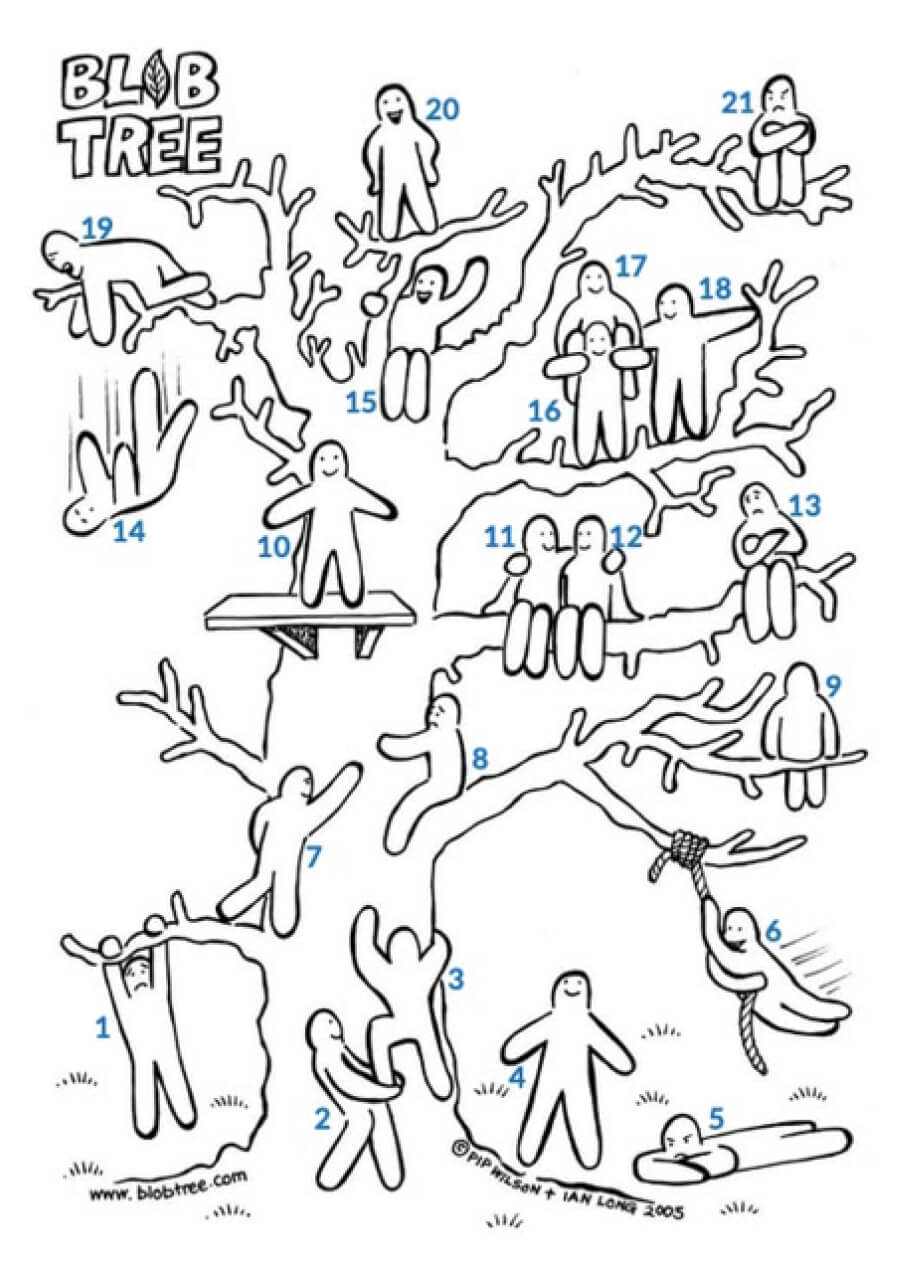
Ask questions such as which blob do you feel like right now? Which blob are you when you’re doing maths? Which blob are you at family time?
Start with the easier things to answer before moving onto what might be more sensitive questions.
The numbers are there to make it easier to confirm which blob is being referenced.
This can be laminated or use paper versions for young people to write on.
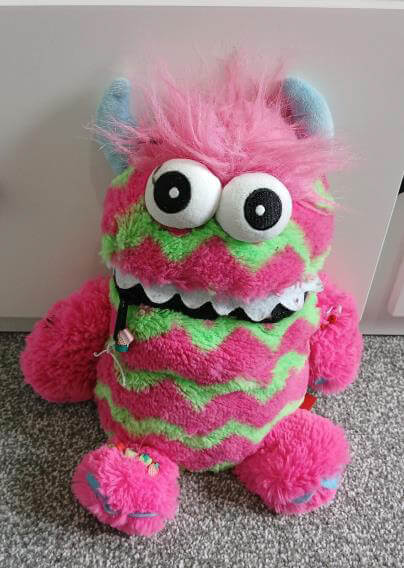
Worry monsters are popular with primary aged children. They are often familiar with it from school. Children put their worries (written or drawn) inside its mouth. Children may want to talk about the worry or for the practitioner to read it . The worry monster can also be played with, used in kitbag sessions or cuddle whilst talking.
There is also this activity book- https://canva.link/n3p35dllfb2loc1 which can be used alongside worry monster. Worry monsters can be purchased online.
Most of my primary aged children have used Kitbags in school which can result in familiarity with the tool.
Kitbags contain a variety of tools including animal cards and feelings cards used to understand the views of children, asking question such as "which are you when you’re doing maths?" "Which are you at family time?". Start with the easier things to answer before moving into home/family questions. Animal cards all have words like understanding, courage, trust, they can be used to ask when they are that word and what people that card remind them of.
The kits also contains calming oil and items that can be played with.
Further suggested uses come with the kits.
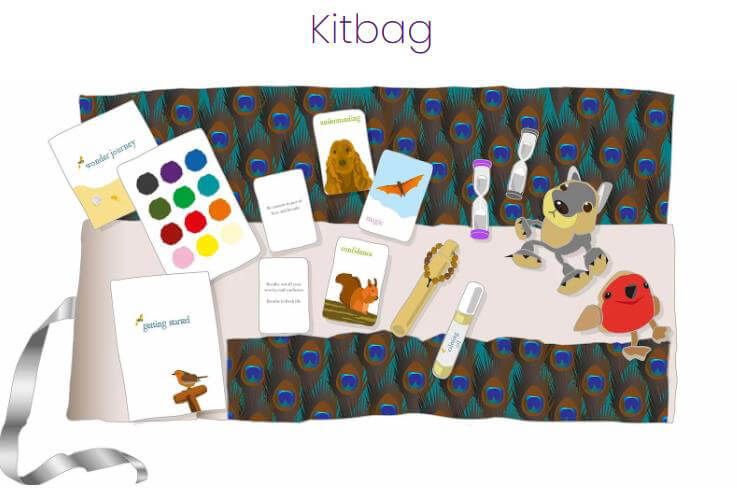
Most effect with primary aged children.
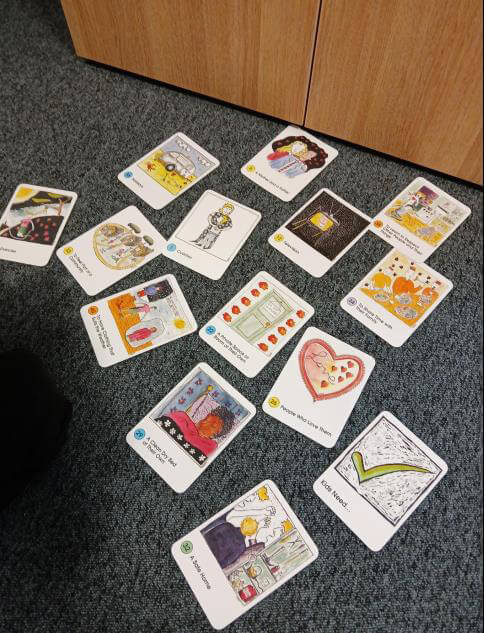
Prior to use with a child it can be helpful to pick out the cards you think are most relevant and have them at the top of the pile. Use as much or as little of the pack as relevant. The child sorts them into piles of what kid’s need and what kid’s don’t need (or in the middle). Try asking what the three most important things a kid need from the ‘need’ pile, this may opens up conversation and can help children to share their views.
This tool works best with older children and teenagers. Children give themselves a score of 5 for how much of the indicator they feel. It can be used as a dartboard or as a way to visualise the indicators in conversation.

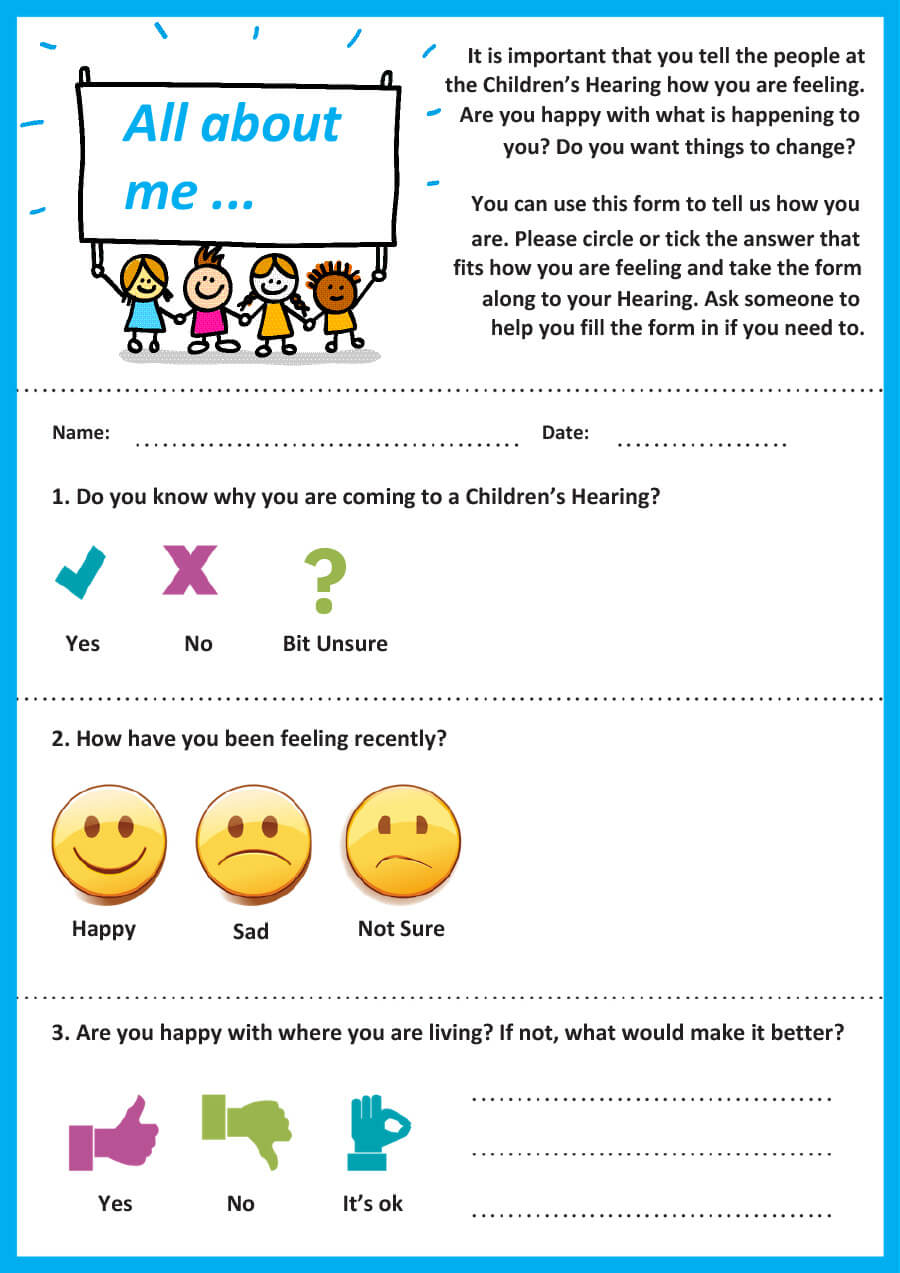
These worksheets were created by Barnardo’s Children’s Rights service using canva programme. These are helpful where there is a short time scale to gather views before a decision-making meeting.
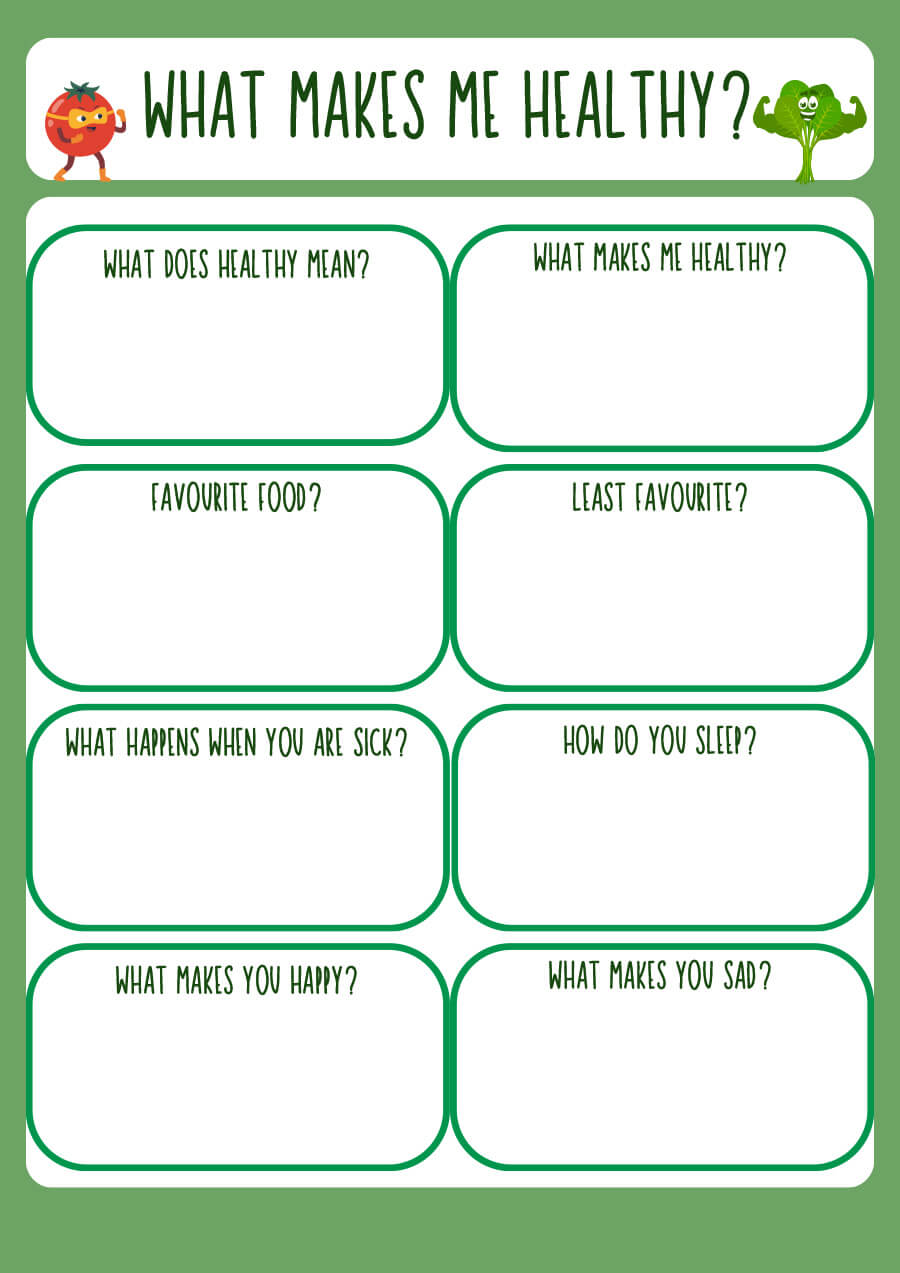
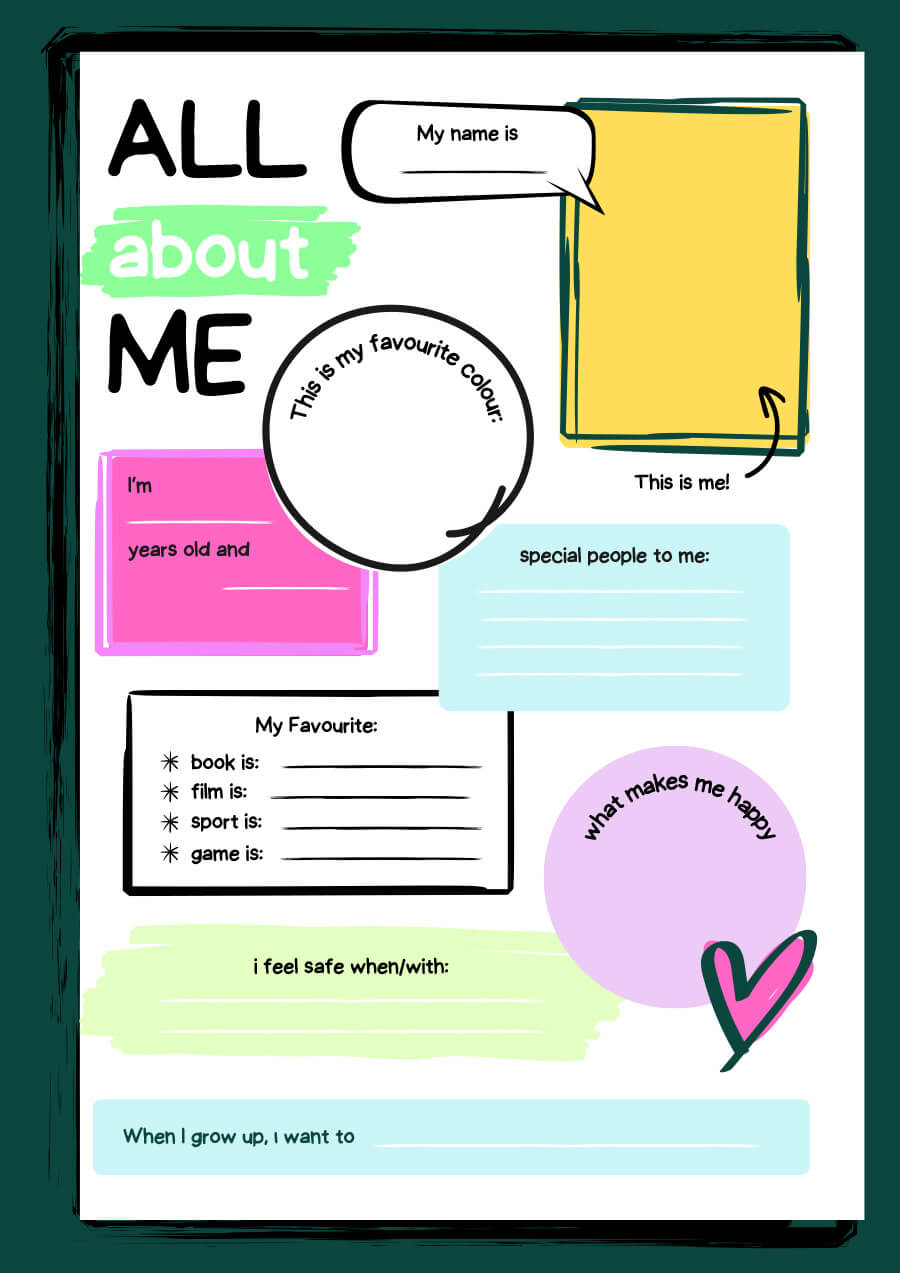
Created by Barnardo’s workers on Canva, these are used when getting to know a child. Ask similar questions for both environments i.e. what is good at school? what could be better? what is good at home,? What could be better?
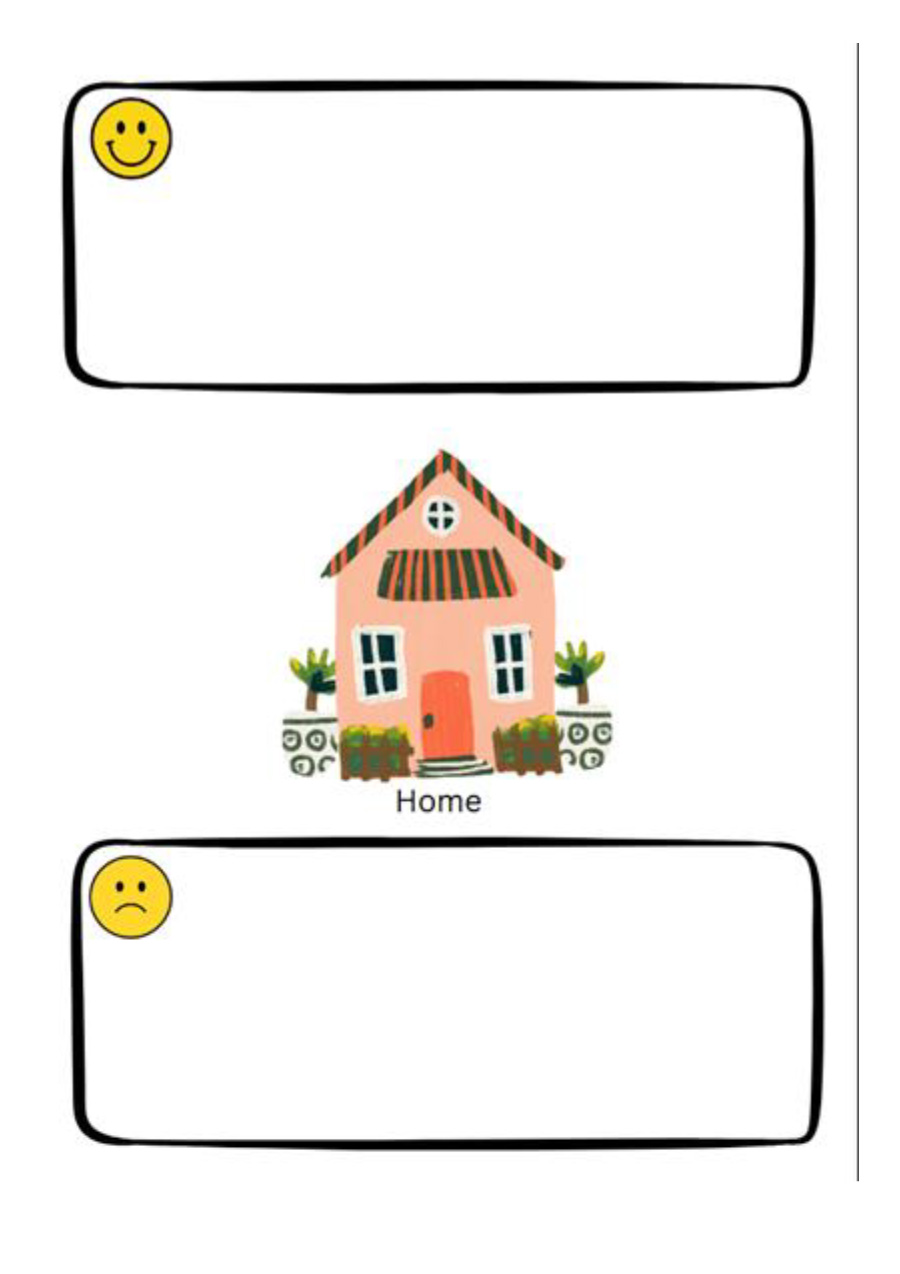
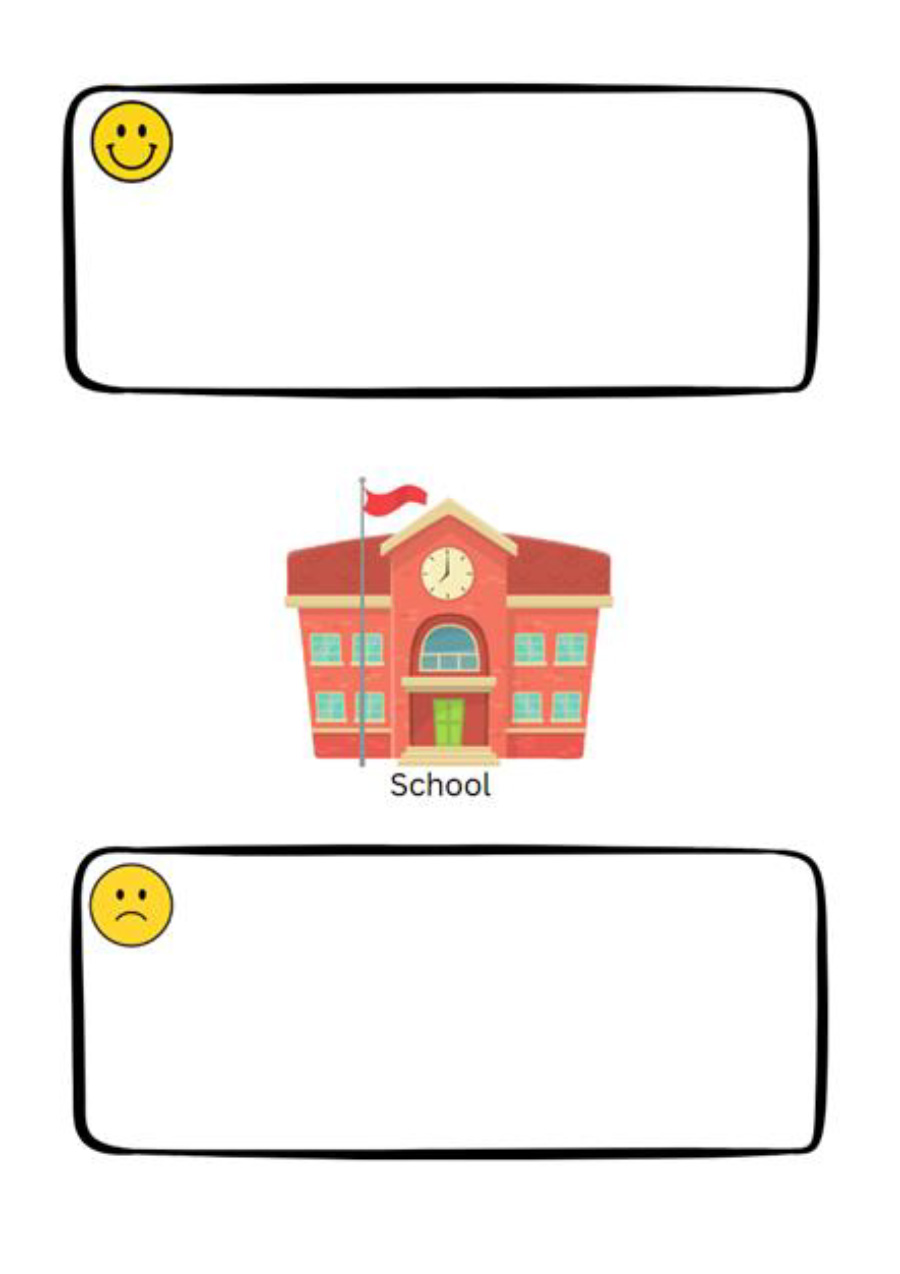
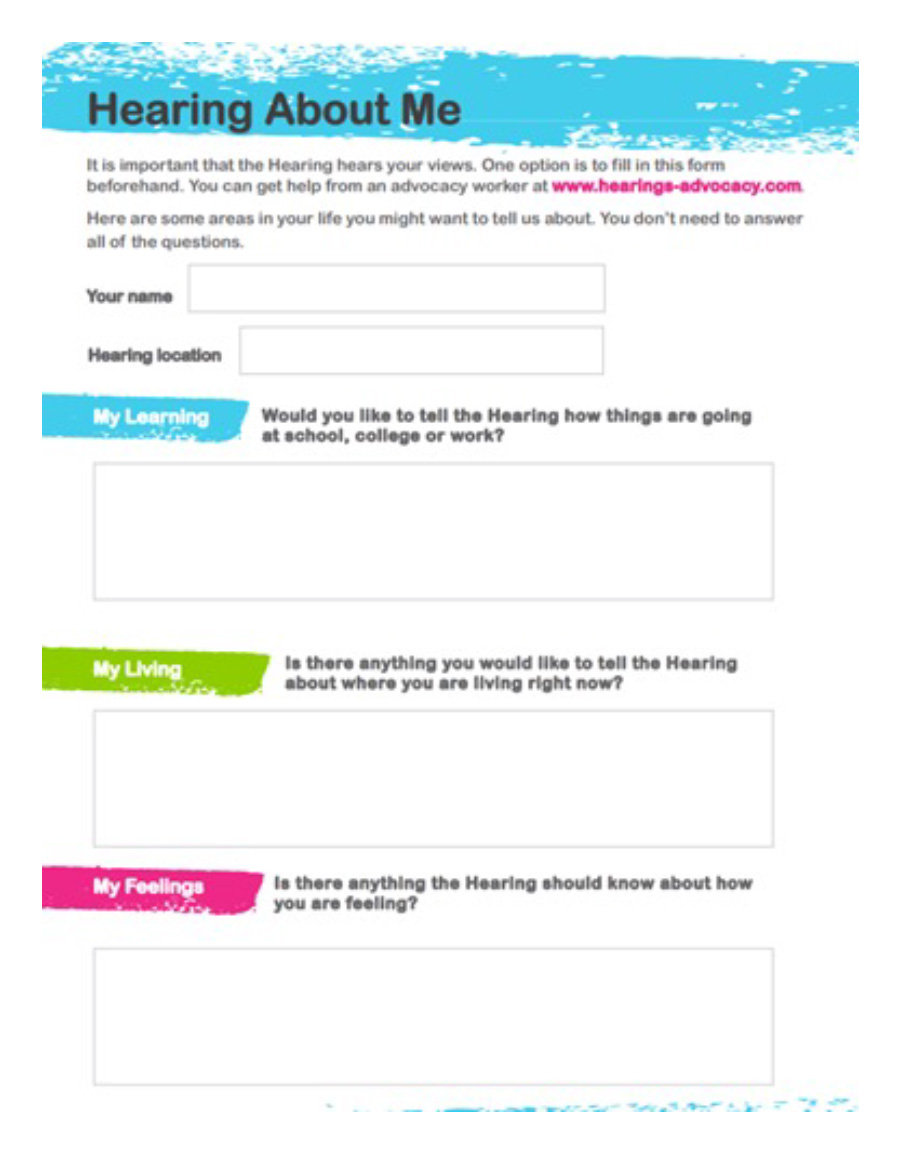
This tool is mostly suited to teenagers and older children, especially with tight timescales to gather views. This form is helpful to keep a discussion focused.
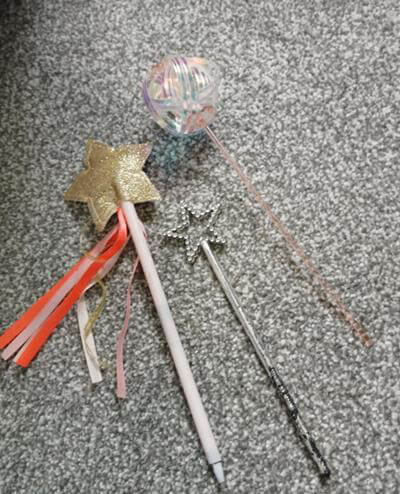
Often suited to younger children using toy magic wands ask if we could change anything what they would want change or if they had three wishes what they would want to happen.
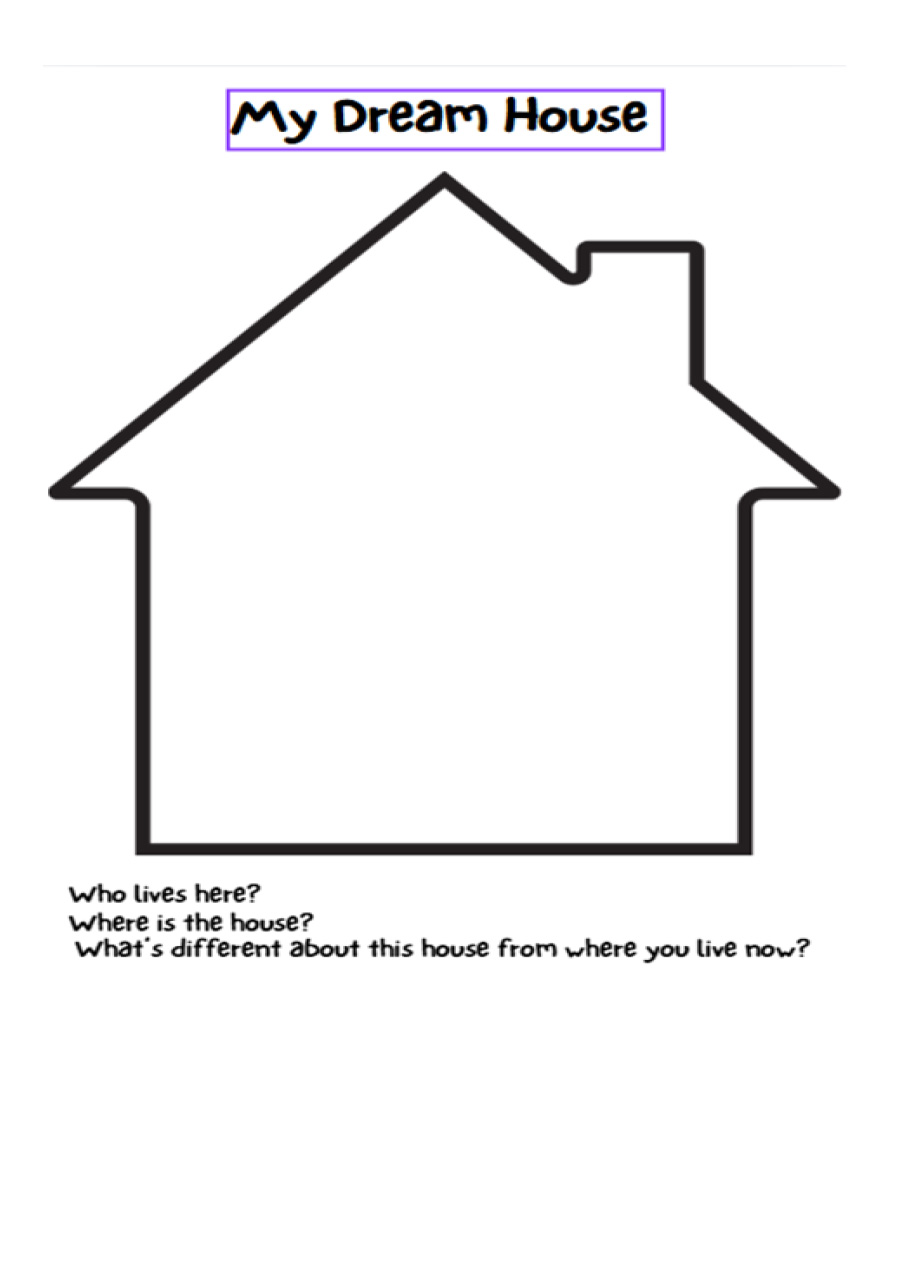
This tool is used to establish a child’s views around where/who the child would like to live with.
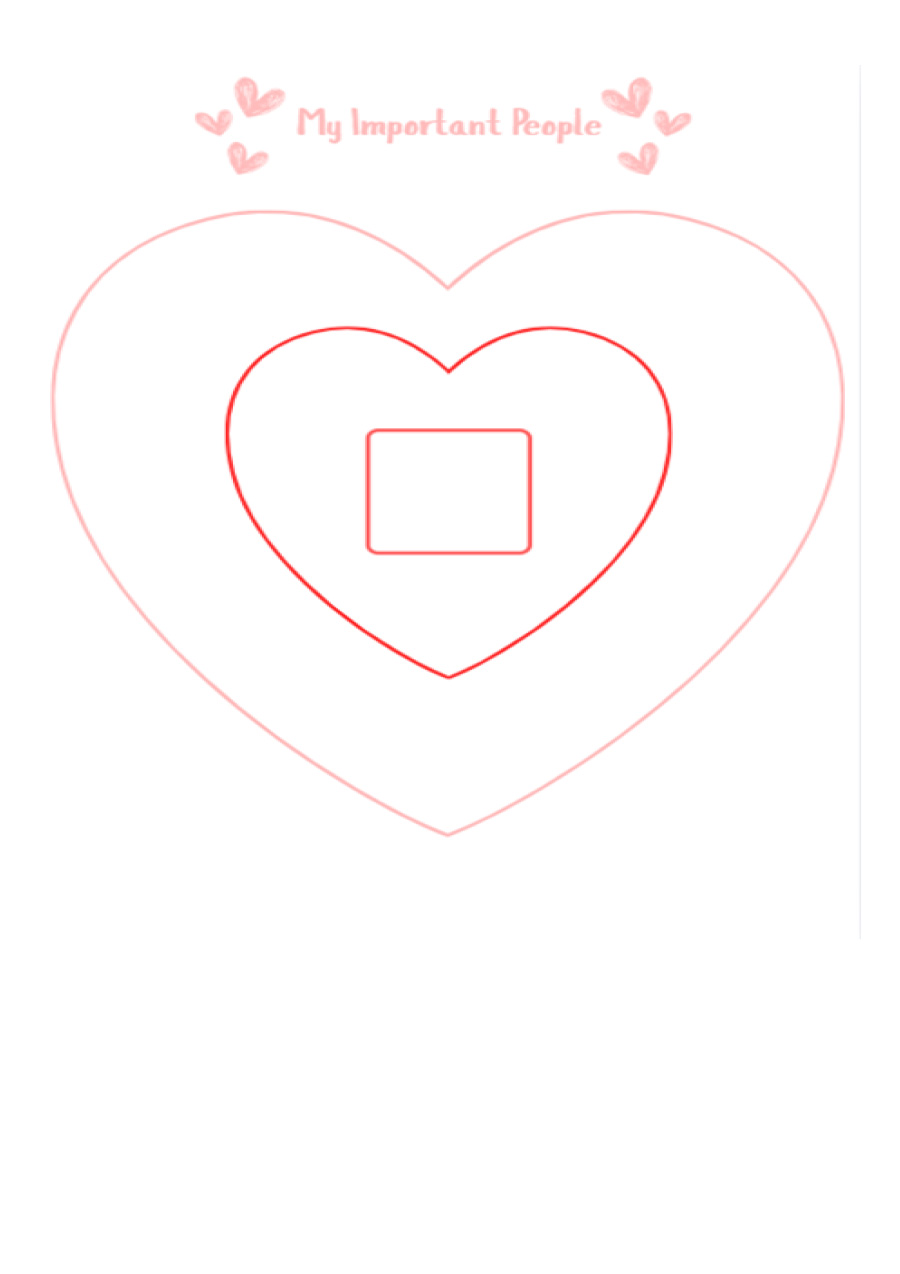
This activity can give an insight to the young person’s views on the people in their life. Draw two hearts ask the young person to draw themselves in the middle. Their most important people go in the small heart, people they like go in the bigger heart and people they do not want to see go outside the heart.
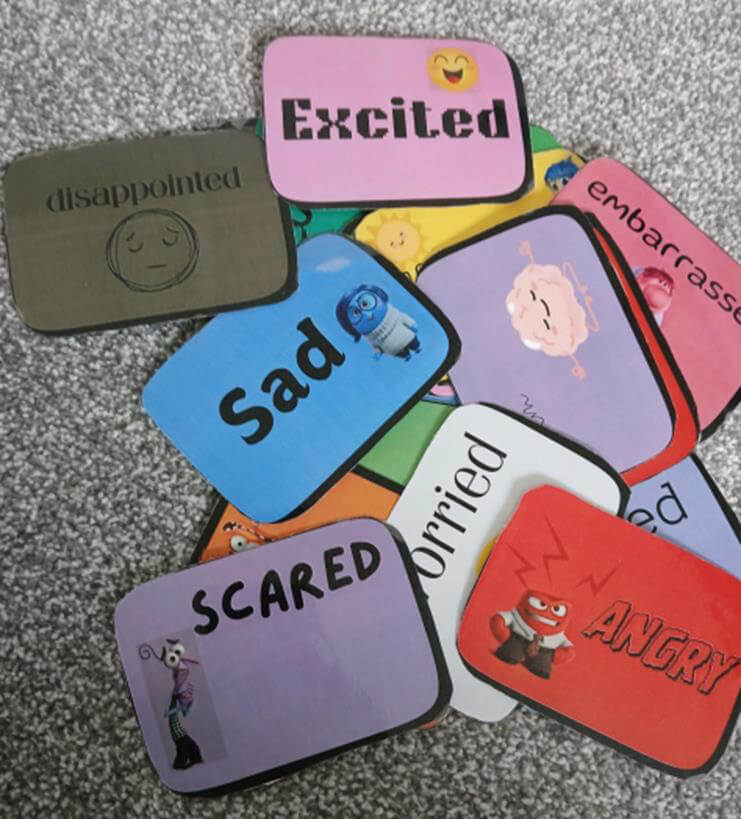
Emotion cards can be used in different ways across all age groups. Children and young people can be asked questions similar to the kitbag feelings card or blob tree or playing a game. Taking it in turns, turn one card over saying something that makes us feel that emotion.
Making it a game and the worker contributing often makes it easier for the child to share their feelings.
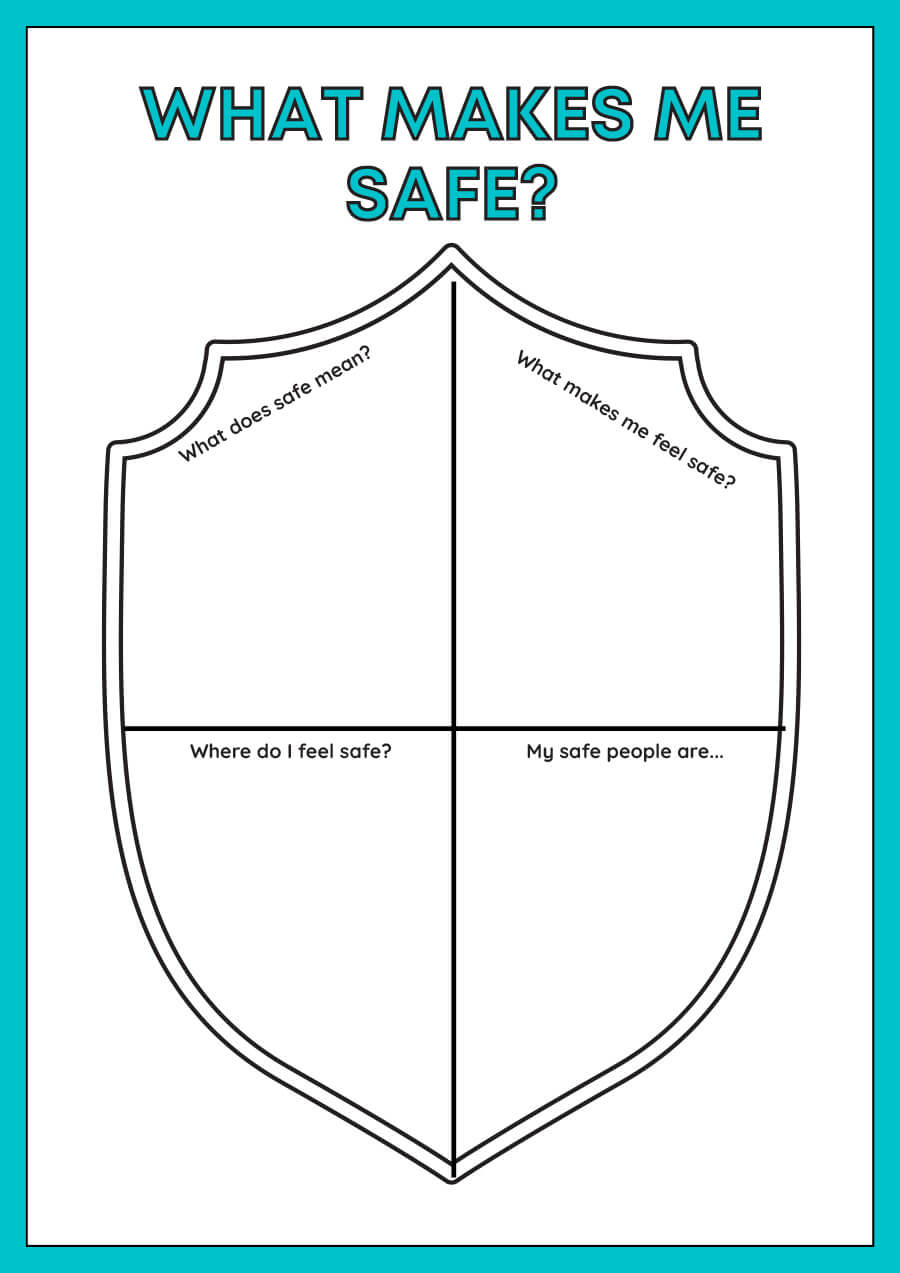
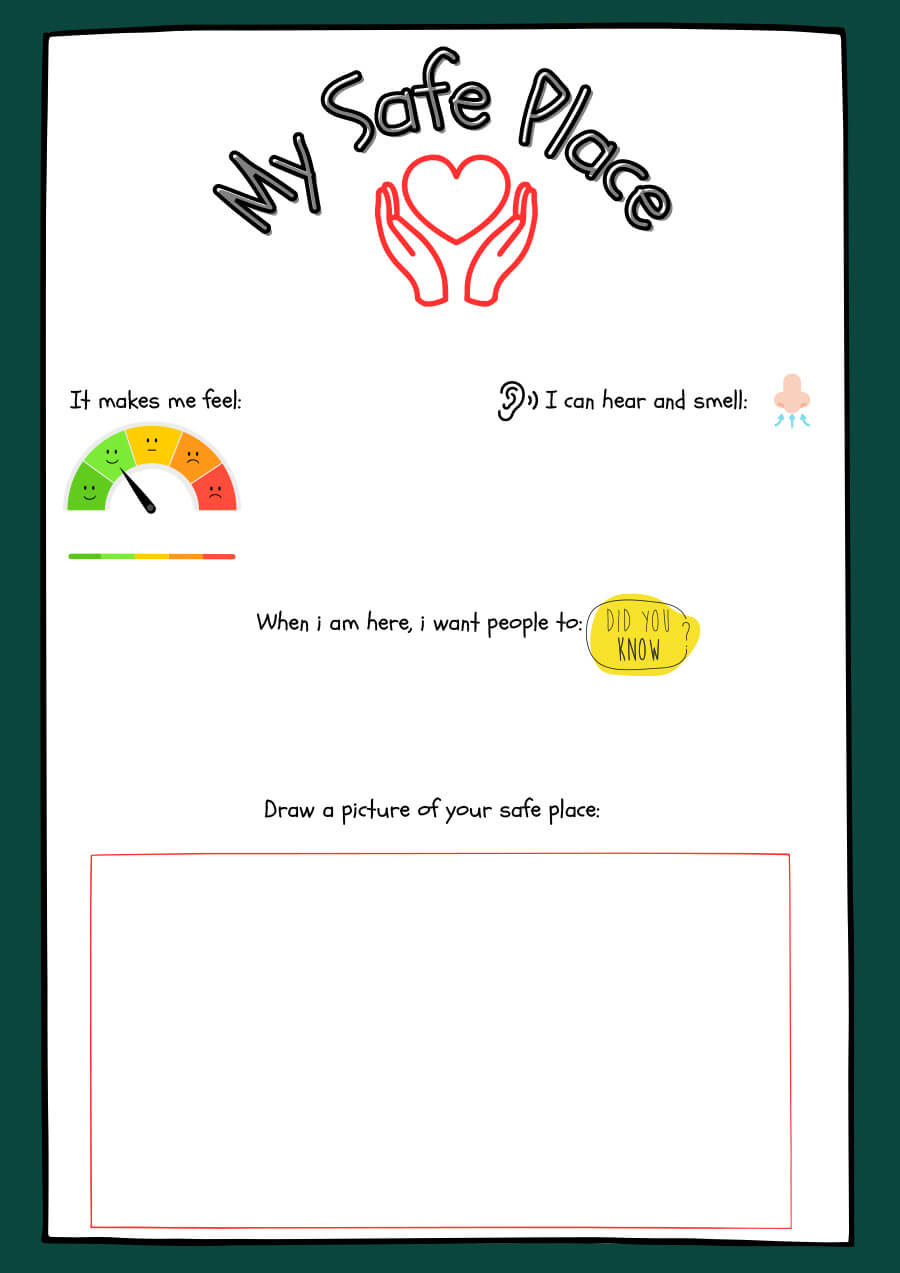
This worksheet was created by Barnardo’s workers to help prompt discussion on where/who/what makes the young person feel safe and what safe means to them.
Showing young people the tour of Fife’s hearing centre can be useful to generate discussion about attending the hearing and what they want to happen.
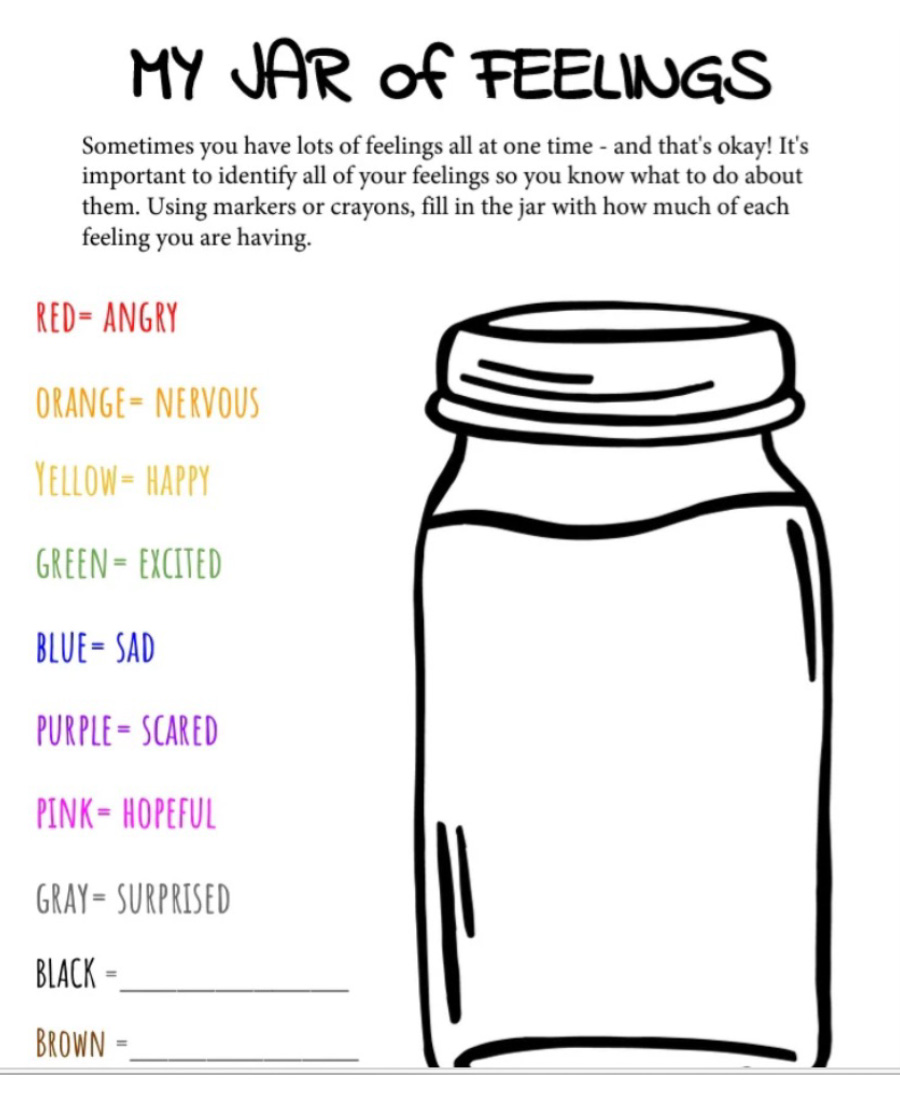
A feelings jar is a tangible, visual tool—often a glitter bottle or a jar with coloured items. It works by representing feelings as swirling colours that settle over time, promoting emotional regulation and mindfulness.
Example Types of Feelings Jars
How to Use a Feelings Jar
Making a glitter Feelings Jar
These resources provides valuable insight into understanding and responding to the experiences, needs and voices of babies and infants.
Together, they support practitioners to strengthen early intervention, promote infant wellbeing, and ensure the youngest children are heard through the actions and observations of the adults around them
The NSPCC's Voice of the Infant resource highlights the importance of recognising and interpreting how babies communicate their experiences.
Think Baby Toolkit offers practical tools and guidance to help practitioners keep babies at the centre of assessment, planning and decision-making.
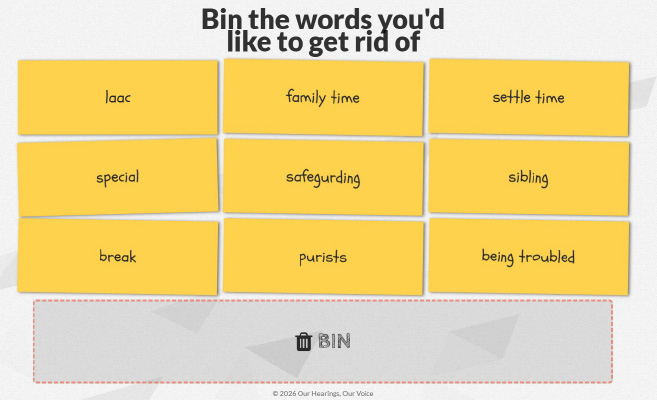
This resource can be used to understand the language the young person does not like, suitable for older children.
Resources made specifically for children and their interests (recently like Julia Donaldson books, KPOP Demon Hunters, Tangled, Minecraft etc) to help to engage them.
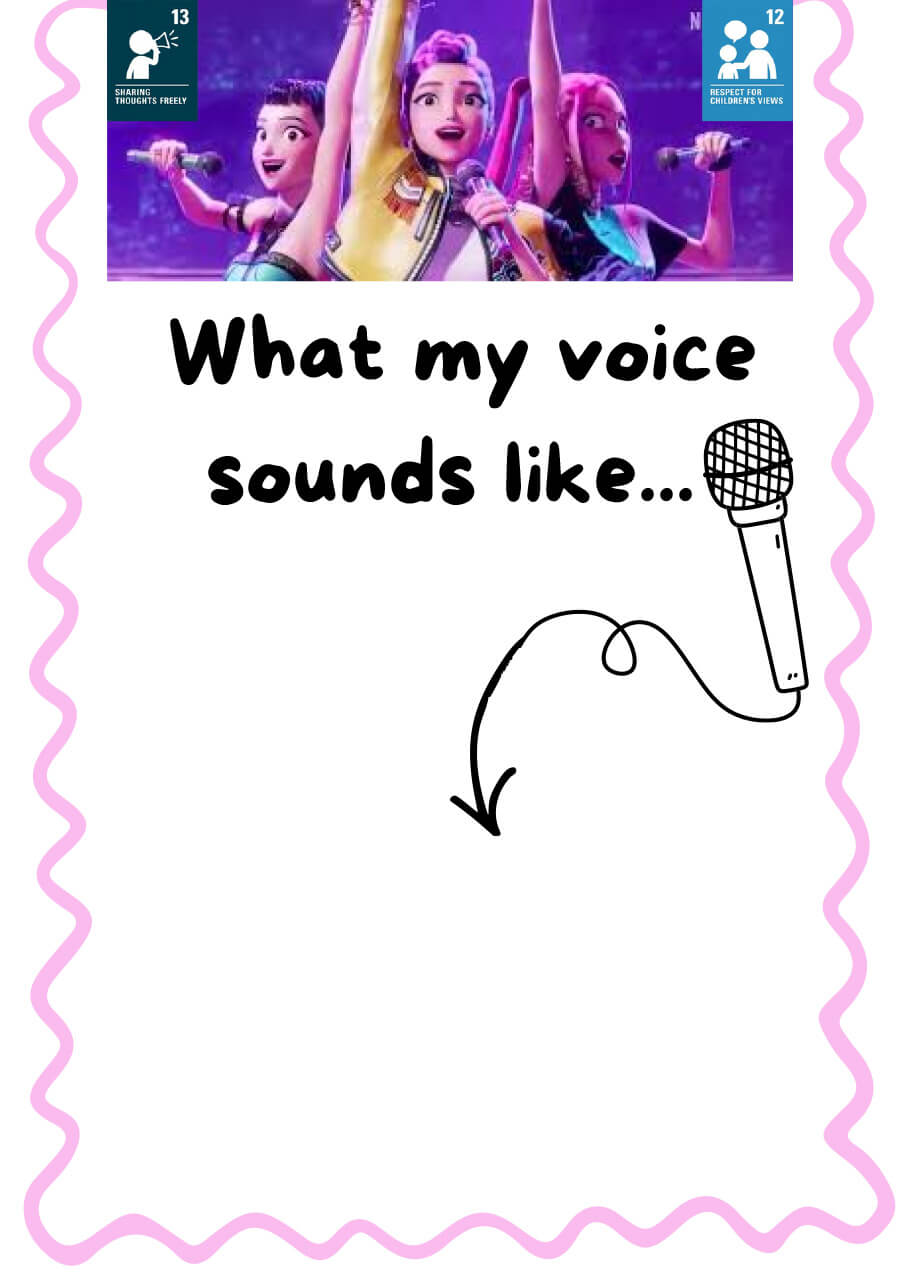
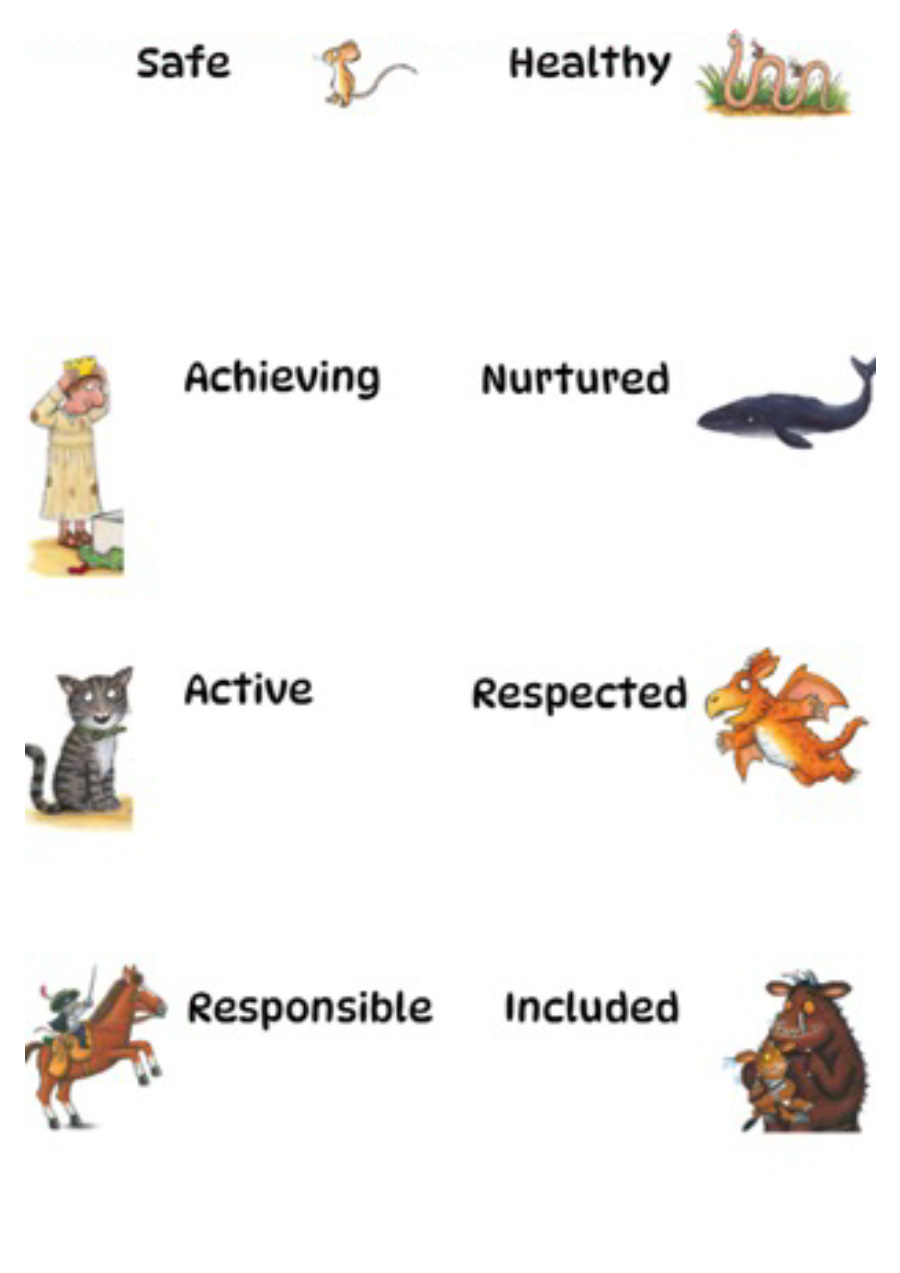
Addition tools and approached to gather the views of young people
Core communication tools
Sensory based tools
Tools for understanding emotions
Tools for children with Autism Spectrum Disorder
Digital tools
Tools for gathering views when direct communication is limited due to child’s needs
This toolkit was co-produced using resources and expertise from Barnardo’s Children’s Rights and Advocacy Service and Fife Council Children & Families Social Work Service.
